
Planning an extension is an exciting opportunity to add space and improve how your home works for you. But before you dive into designs and quotes, it’s important to take a moment to consider what you really want from the project and what your home can realistically accommodate.
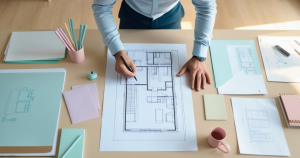
Many issues that arise during a build can be avoided simply by asking the right questions at the very beginning. This is especially true for older homes, where structure, layout and existing features can influence what is possible. Taking time to think things through now will help ensure your extension is practical, well-designed and truly adds value.
1. What Do You Really Want from Your New Space?
Before thinking about layouts, materials or architectural styles, it’s essential to understand the purpose of your extension. Ask yourself what you need most from the new space. Are you hoping to create a larger kitchen for entertaining, an open-plan family room, a dedicated workspace, or simply more breathing room for a growing household? Defining the core purpose early helps shape every design decision that follows.
Older homes often have more compartmentalised layouts, so consider how you want the new space to connect with the existing rooms. You might want more natural light, better access to the garden or a more open, social layout. Thinking about how the space will feel and function day to day is just as important as deciding its size.
It’s also worth considering future needs. Your lifestyle might change over the next five to ten years, and designing with that in mind can make your extension a long-lasting investment rather than a short-term solution.
2. Is Your Property Suitable for the Extension You Want?
Once you’re clear on your goals, the next step is understanding what your property can realistically support. Older homes can come with structural quirks that affect plans, such as shallow foundations, outdated drainage systems or load-bearing walls that are difficult to modify. An early assessment of these elements can save considerable time and cost later on.
Think about the practical aspects of your site too. Do you have enough garden space? Are there boundary restrictions or privacy considerations? Will builders be able to easily access the site, especially if materials or machinery need to be brought through tight spaces? Orientation can also play a big role too. North-facing extensions may require thoughtful lighting design, while south-facing spaces might need shading solutions.
It’s also important to understand whether your project falls under permitted development or requires planning permission. While many extensions do qualify for permitted development, older or characterful properties may have additional restrictions. Speaking to professionals early ensures you understand what’s feasible and avoids unexpected delays once you’re ready to begin.
3. What Is Your Budget, Timeline & Tolerance for Disruption?
Being realistic about budget is essential. Extension costs vary depending on size, complexity, structural work and finish, so establishing a clear budget early helps guide your decisions. It’s wise to include a contingency fund, particularly for older properties where hidden issues, such as outdated wiring or damp, can arise once work begins.

Next, consider the level of disruption you’re prepared to manage. Some homeowners remain in the property throughout the build, while others choose to temporarily move out if the work is extensive. Think about how noise, dust and limited access to parts of your home could affect your daily routine. If you work from home or have small children, these factors become even more important.
Timelines are another key factor. Building work can be affected by planning permissions, weather conditions, material availability and your builder’s schedule. If you have specific deadlines, such as expecting a baby, needing the space ready for summer or hosting family gatherings, make sure these are taken into account during the planning stage. Setting clear expectations from the outset helps ensure the project runs smoothly and avoids unnecessary stress later on.
Final Thoughts
Asking yourself the right questions before planning an extension helps set the foundations for a successful, well-executed project. By understanding your needs, assessing your property’s limitations and being honest about budget and disruption, you’ll be far better prepared when approaching a builder. A well-planned extension can transform an older home, adding space, light and improved functionality. If you’re ready to take the next step, Cobbydale Construction can guide you through the process and help bring your plans to life. To start bringing your vision to life, contact us today on 01535 653530 or use our contact form here.