
If you live in a conservation area, you’ll already know how special these places are. They’re protected because of their architectural or historic importance, which means any building work needs to be handled with greater care. That doesn’t mean you can’t extend or renovate your home, far from it. With the right approach, high-quality design and a clear understanding of the rules, it’s entirely possible to create a modern, functional space that still respects the character of your surroundings. This blog sets out an essential checklist to help homeowners across North and West Yorkshire plan a successful project from the very beginning.
Understand the Rules Before You Start
Before you start thinking about design, it’s important to understand what living in a conservation area actually means for your plans. Local authorities place a strong emphasis on preserving the character of the area, so elements such as materials, roof shapes, window styles and scale will be scrutinised more closely than usual. Some conservation areas also have Article 4 Directions in place, which remove certain permitted development rights. This means that work you might normally be able to do without planning permission such as changes to windows or minor extensions, may require a formal application.
The permissions you need will depend on the specifics of your project. Many domestic properties will require a householder planning application for extensions or alterations, but larger or more complex work may fall under full planning. In certain circumstances, you may also need additional consents, such as permission to prune or remove protected trees, or listed building consent if your home is both listed and within a conservation area. It is always worth checking your council’s validation requirements to avoid delays later on.
Research is a crucial early step. Take time to review your local authority’s conservation area appraisal or character statement, which explains what features make your area unique. Look at previous planning applications in your street for clues about what has been approved (or refused) in the past. Understanding what the council values, for example traditional stonework, historic window proportions, or uninterrupted rooflines will help you shape a realistic and sympathetic proposal.
Get Your Design Right from Day One
Choosing professionals with experience in conservation areas is one of the most important decisions you can make. An architect and builder who understand the additional expectations, restrictions and opportunities will be able to guide you toward solutions that satisfy both your needs and the planning officer’s expectations. Early collaboration between all parties helps to avoid rework, delays and unnecessary expense later in the process.
The key to success is designing something that is sympathetic to its surroundings. This doesn’t mean you have to replicate a historic style exactly, but your extension or renovation must complement the existing building and wider streetscape. Thoughtful consideration of scale, massing, window placement, roof pitch and material choice all play an important role. Many conservation officers welcome contemporary design if it’s executed with quality and care, so long as it enhances rather than dominates the original structure.
Supporting documents are just as important as the design itself. A measured survey, accurate plans and clear drawings are essential. Most conservation-area applications also require a Design and Access Statement, sometimes with a Heritage Statement included, explaining how your proposal respects the character of the area. Depending on your site, you may also need additional information such as tree surveys, ecology reports or drainage details. Providing this information upfront strengthens your application and speeds up the validation process.
Smooth the Planning Process
Once your design is ready, it’s often worthwhile seeking pre-application advice from your local planning authority. This informal stage can help identify potential issues early and provide guidance on what the council is likely to support. While it adds time at the beginning, it can significantly improve your chances of approval later.
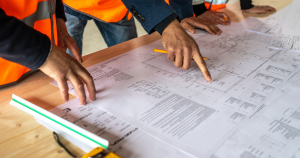
When submitting your application, accuracy is vital. Councils carry out validation checks to ensure all required documents are present and correctly completed. Missing information can cause delays or even render your application invalid. Clear descriptions also help, stating “single-storey rear extension” is far more effective than a vague reference to “home improvements”. Avoiding common mistakes at this stage makes the whole process smoother.
Communication with neighbours is another important part of planning in a conservation area. Although they cannot block your project outright, objections can influence how your proposal is viewed. By discussing your plans early, explaining your design decisions and addressing concerns, you can reduce the likelihood of disputes and demonstrate that you have considered the wider community.
Final Thoughts
Building in a conservation area does come with more steps, but with thoughtful design, good preparation and the right team behind you, it’s completely achievable. At Cobbydale Construction, we regularly work on homes in sensitive locations across Yorkshire and understand the importance of balancing modern living with heritage considerations. If you’re planning an extension or renovation in a conservation area, we’re here to offer guidance, practical advice and expert craftsmanship every step of the way.
Contact us today on 01535 653530 or use our contact form here.