
Securing planning permission can feel like a major milestone in your home improvement journey. After weeks or even months of drawings, discussions, and waiting, receiving that approval is understandably exciting. Many homeowners assume this means building work can begin straight away, but in reality, there are still several important steps to complete before construction starts. Understanding what comes next will help you avoid delays, manage your budget more effectively, and ensure your project runs smoothly from day one.
From Approval to Action
When planning permission is granted, it is rarely a simple green light to begin building immediately. Most approvals come with a set of conditions that must be met before or during construction. These conditions can relate to materials, drainage, landscaping, working hours, or even environmental considerations. For older properties in particular, there may be additional requirements to ensure the new work blends appropriately with the existing structure.
Some of these conditions must be formally approved by the local authority before any work begins, a process known as “discharging conditions”. This typically involves submitting further details or drawings for approval. Overlooking or misunderstanding these requirements can lead to unnecessary delays or, in some cases, enforcement issues later on. Taking the time to review your planning decision carefully and address each condition properly is the first essential step in moving your project forward.
Turning Plans into Reality
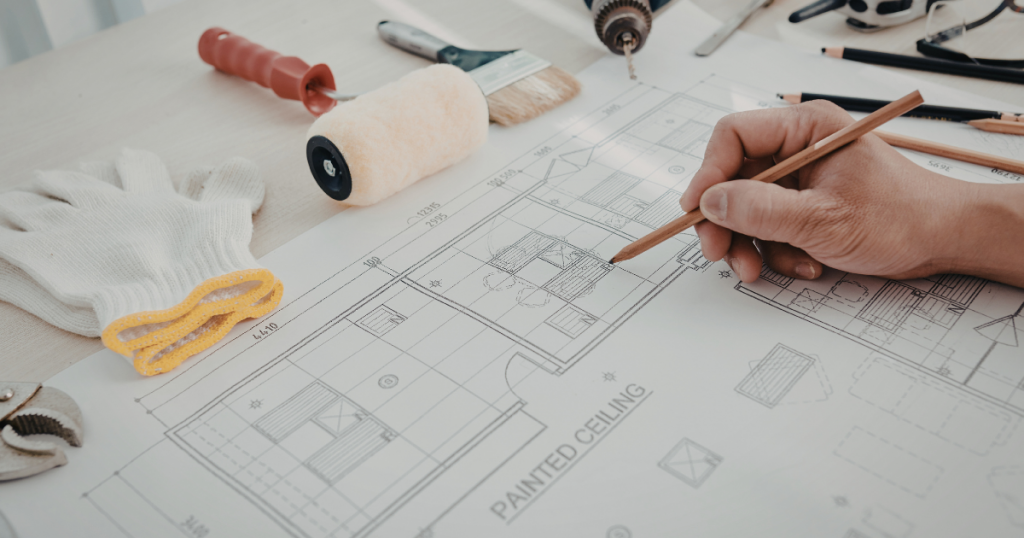
Once planning permission is in place, the focus shifts from concept designs to detailed technical drawings. While planning drawings show the overall look and layout of your project, technical drawings provide the precise information needed to actually build it. This includes structural details, insulation specifications, drainage layouts, and construction methods.
At this stage, you will also need to ensure your project complies with Building Regulations. These regulations cover key aspects such as structural stability, fire safety, ventilation, and energy efficiency. For older homes, this can be particularly important, as integrating new elements with an existing structure often requires careful consideration and expert input.
You may need a structural engineer to calculate load-bearing elements and ensure the design is safe. Building control approval, either through your local authority or an approved inspector, will also be required before work begins. Getting this stage right not only ensures compliance but also allows builders to provide accurate quotes, helping you avoid unexpected costs further down the line.
Preparing to Build
With detailed drawings and approvals in place, you can begin preparing for construction. One of the most important steps is obtaining quotes from builders based on the same set of technical plans. This allows you to compare like-for-like and choose a contractor with confidence, rather than relying on rough estimates that may change later.
Budget planning is also crucial at this stage. Alongside the build cost, it’s important to factor in a contingency to cover any unforeseen issues, which are not uncommon when working on older properties. Hidden structural issues, outdated materials, or access challenges can all impact costs if not accounted for early.
Depending on your project, you may also need to consider a Party Wall Agreement if the work affects a shared wall or boundary with a neighbour. This is a legal requirement designed to protect both parties and should be addressed before work begins.

Finally, pre-construction preparation includes agreeing contracts, setting timelines, and organising site logistics. Taking the time to properly plan these elements will help ensure the build runs efficiently and with minimal disruption.
Final Thoughts
Planning permission is a significant step, but it is only one part of a much wider process. What happens afterwards plays a crucial role in determining how smoothly your project progresses and how successful the final result will be. By carefully managing planning conditions, investing in detailed technical design, and preparing thoroughly before construction begins, you can avoid common pitfalls and keep your project on track.
Working with an experienced construction company can make this process far more straightforward, giving you confidence that every stage, from planning approval through to completion, is handled professionally and efficiently.
At Cobbydale Construction we’re always here to talk through your initial plans and help guide you along the way. You can contact us today on 01535 653530 or use our contact form here.