
There are many factors that go into selling a home. Even more so when you have purchased a house to do up and ‘flip’! If you are thinking of investing in a new home to turn over for profit, there are 3 key areas you need to know about. First, we will cover what house flipping is and the factors you need to know about, before looking at the 3 key areas of renovation which will help turn your investment into a profit.
What is house flipping?
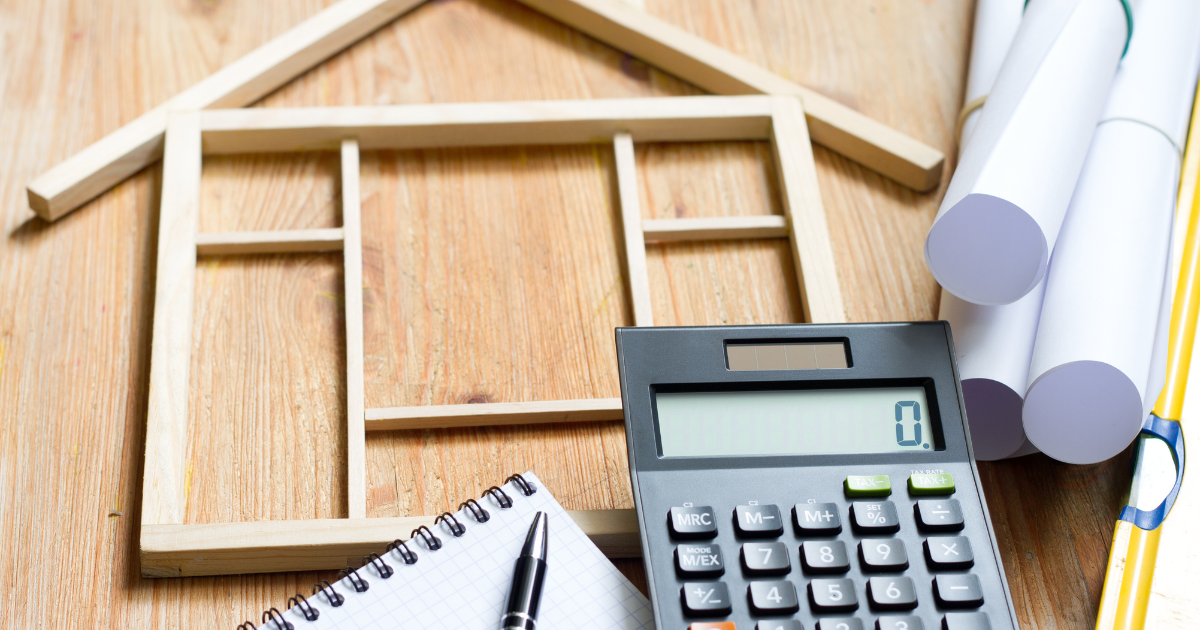
House flipping is essentially where you purchase a property in order to renovate it, and then sell for a profit. However, doing so requires knowledge and skills in a number of sectors in order to do so profitably each time. They make it look easy on Homes Under the Hammer, but trust is when we say there’s a bit more to it than that!
What do I need to know about house flipping?
You need enough capital either in terms of money to pay contractors, or in your time if you have skills in plastering, painting, building, electrical work, plumbing or removing or re-wiring appliances. Unless you hire an estate agent to conduct viewings afterwards, you will also need to factor in time to do so as well as brushing up on your selling tactics and powers of persuasion.
When it comes to calculating if a property is worth investing in, many investors follow the 70% rule. This is where an investor should pay no more than 70% of the after-repair value or (ARV) minus any repairs needed. So, if the after repair value of a home is £100,000 and it needs £10,000 in repairs, then you should pay no more than £60,000. This is calculated by taking the after-repair value and multiplying this by 0.70, then deducting the cost of the repairs. So:
£100,000 (ARV) x 0.70 = £70,000
£70,000 – £10,000 (cost of repairs) = £60,000.
Bear in mind that any work you engage contractors for will eat into these margins. Take your time when hiring contractors, as hiring in haste could lead to hiring inexperienced or cowboy contractors which can also cost you more.
Aside from the capital in money or time, you also need a deep knowledge of the housing market and the tax system. For instance, the capital gains tax is charged on any asset over the value of £6,000 that you sell. There are ways to navigate around this and you can find out more about whether you should be paying this here. You will also need knowledge of local amenities, schools, transport links and attractions which can also influence the selling price. Knowledge of whether the property is in a designated land area can also restrict you from your renovation goals. Check to ensure the property can have any necessary adaptations, or that if you do need planning permission whether the neighbours would be receptive to this. Of course, you can always play the angle that renovating a more run-down home can in turn help raise the property value of its neighbours!
Lastly, you need to consider what buyers want and how to make a good first impression when it comes to selling! Here are the three key areas you should be concentrating on.
1. Maximise Space
Maximising space within a property is a pivotal strategy in increasing its overall value and desirability. By employing clever design solutions and making efficient use of every square foot, you can transform cramped or underutilised areas into functional spaces that resonate with potential buyers. One effective approach involves embracing open floor plans, which promote a sense of space and flow throughout the home. Removing non-load-bearing walls can seamlessly merge living areas, creating a more cohesive and inviting environment.
Additionally, integrating smart storage solutions such as built-in cabinets, closets, or shelving units maximises organisational potential while minimising clutter. Converting unused spaces like cellars or lofts into liveable areas further amplifies the property’s appeal and versatility, offering additional square footage for recreational activities, home offices, or guest accommodation. Ultimately, by optimising space utilisation, you can enhance the overall liveability and functionality of the property, attracting buyers seeking both space and value in their investment.
2. ‘Kerb appeal’
First impressions count, so a run down, overgrown front garden or drive simply will not do. There are a number of ways you can improve the aesthetic of the front of the property without breaking the bank. You can power wash the drive and any patios or paving. Paint the front door, as well as treat it for any cracks or warping to make it look newer. Weed the front of the property, and ensure any lawns or turf is kept cut short. Clean all the windows and add shutters to show your property has privacy. For extra homely touches, you can install outdoor lighting or planters. Improving the kerb appeal gives a great first impression to would-be buyers, making them eager to continue with the rest of the viewing and can help your sales pitch be more compelling if there is more interest.
3. Modernise the kitchen and bathroom
A kitchen is the heart of a home, and the bathroom is often a place to relax. Neither require huge investments, but you could modernise it with a focal point such as a kitchen island or a statement piece bathtub or shower.
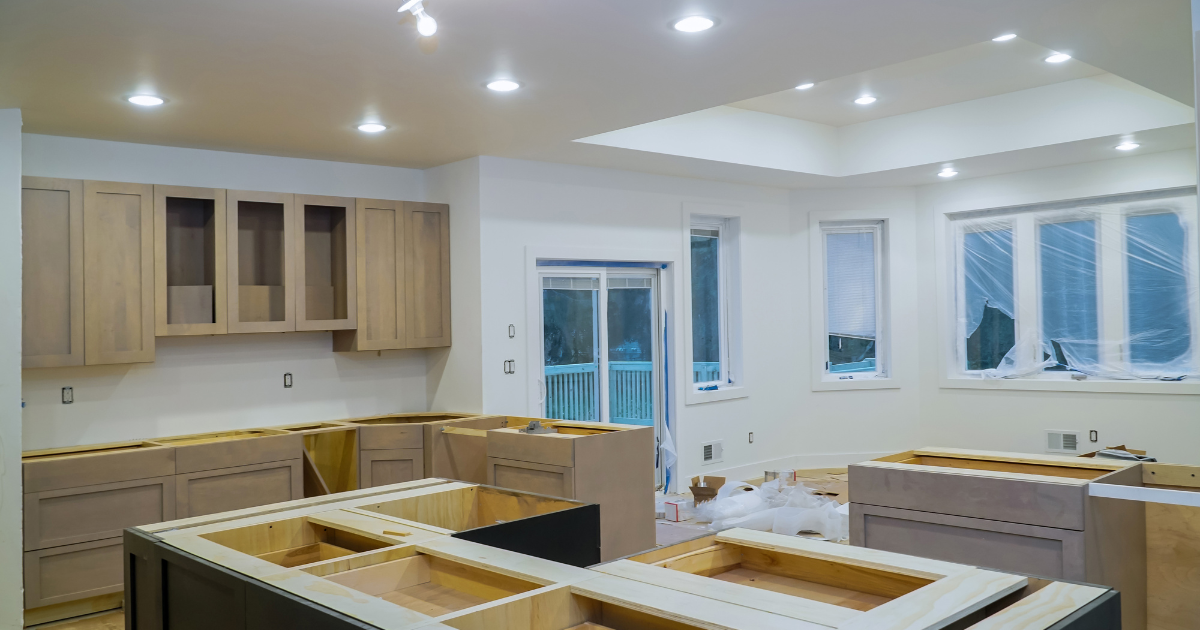
You could repaint the cabinets in both with modern colours that pop to make both rooms feel more of an inviting and vibrant space or change all of the cabinetry handles to modern chrome styles to complement the paintwork. Lighting should also be considered, with shades or new bulbs with a gentler colour to create more ambience. Look for what décor styles are in demand, rather than what you personally think looks best.
If you require any assistance with flipping a home in the areas of Keighley, Silsden, Bingley, Ilkley & Skipton we can help you meet any construction or renovation needs. Contact us today on 01535 653530 or use our contact form.