
Accommodating a playroom extension can be a fun and exciting way to give your children more space to play and explore. Whether you’re planning to convert an existing room into a playroom or build a new addition onto your home, there are several things to consider to make the most of your space. In this article, we’ll cover the best tips on how to accommodate a playroom extension in your home. Here they are.
Consider the Layout
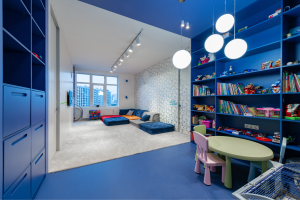
Before we jump into the different types of extension you could choose for your playroom extension, you need to consider what the children will use the space for and the activities they could do. You’ll want to create a layout that’s functional and flexible, with areas for playing, reading, and crafting. Make sure there’s enough space for your children to move around comfortably and that the room is safe and child-friendly. As your children grow, their playroom needs may change. Consider designing a space that can be easily adapted to accommodate their changing needs. For example, you might want to include a space for homework or a computer desk for older children. In this case you may require additional plug sockets to be installed, and of course plug socket covers for them in the meantime.
Single storey extensions
If you are simply looking for additional space to a kitchen or living room, a single storey extension can be a great addition to your home. For a single-storey rear extension, you cannot go beyond the back wall of the original property by more than four metres. However, if you are going to cut into potential garden space then you may also wish to consider a double storey extension.
Double storey extension
Similarly to single storey extensions, if your house is more than one storey, then if you extend, you cannot go past the back wall of the house by over three metres and it must be a minimum of seven metres away from the rear boundary. These rules for single and double storey extensions mean you may not need planning permission. Choosing a double storey extension could also provide you with an additional snug, office, or even bedroom upstairs as well as accommodating a new playroom for the kids.
Garage extensions
The rules for garage extensions are somewhat more convoluted than single or double storey extensions. However if you have a garage that is not being used this could be a great place to expand your home into. Usually a garage extension is allowed under permitted development, but if this is a standalone garage, in a listed building or a conservation area you will almost certainly require some form of planning permission. This is because it requires a change in use for standalone garages, to ensure that there is enough structural support for the garage’s new purpose. Especially if you plan to build a double storey extension on top. You may also need to include electrical or plumbing installations. Read more about garage extensions here.
Side or wraparound extensions
If you have ‘dead space’ at the side of your property such as a small alleyway to store the bins, this could provide the perfect space for a side extension. An average side extension can add as much as 25 square metres to your home and allow you to redesign your kitchen or living room at the same time as designing a playroom! Again double storey extensions along the side of your property is the largest pitfall to avoid if you live in a semi-detached home as this can create a ‘terraced effect’. You can read more about side or wraparound extensions here.
Loft conversions
You can of course spark your children’s imagination and desire for adventure by converting your loft into a playroom space! Or of course you could convert this into a living area and turn your living area into a playroom, to give you that much needed space to relax. There are many regulations concerning loft conversions and you may require a party wall agreement if you live in a semi-detached home or terraced home. Read up on everything you need to know about loft conversions here.
Once you have chosen the type of extension and the location of your new playroom, there is even more to plan! You will also need to think about choosing:
The Right Flooring
Choosing the right flooring is important when designing a playroom extension. You’ll want to choose a flooring option that’s easy to clean and can withstand the wear and tear of playtime. Some popular options for playrooms include carpet tiles, foam flooring, and rubber flooring. These options can also give you peace of mind for younger children, knowing that they are softer surfaces in case of any accidents.
Storage Solutions
Adequate storage is essential in a playroom extension. You’ll want to have plenty of storage solutions to keep toys, games, and craft supplies organised and easily accessible. Consider installing built-in shelving or cabinets, or invest in storage containers and bins that can be easily moved around the room.
Lighting and Ventilation
Proper lighting and ventilation are important for creating a comfortable and safe playroom environment. Make sure the playroom has plenty of natural light, as well as overhead lighting and task lighting for specific areas. Additionally, ensure that there’s adequate ventilation to keep the air fresh and circulating.
Safety First
When designing your playroom extension, safety should be your top priority. Make sure that all electrical outlets are covered and that any furniture or fixtures are securely anchored to the walls. You’ll also want to consider adding safety gates or barriers to prevent children from accessing any dangerous areas.
Contact Us
By considering all of these factors you can create a fun and functional playroom that your children will love for years to come. Would you like any advice regarding extending your home to accommodate a playroom extension? We’re here to help. As experts in construction based in Keighley, West Yorkshire we can help your project come to life. Contact us on 01535 653530 for a non-obligatory consultation.