
If you’re lucky enough to live in the Yorkshire Dales, then you are probably already aware that you will likely need planning permission in order to extend your property. There are however cases when you do not need this under permitted development guidelines. We’ve compiled a guide as to exactly what you would need planning permission for in regard to extending your home.
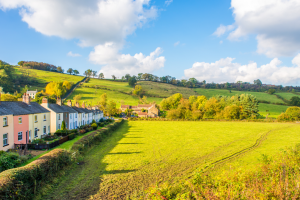
Yorkshire Dales as a National Park
Giving longer term protection to large areas of beautiful countryside, the establishment of national parks in 1951 gave each national park the scope and autonomy to decide on all planning applications submitted within its boundaries. Due to the Yorkshire Dales natural outstanding beauty, it is no surprise that the authority can be a bit more stringent when it comes to approving planning permission. A few good rules of thumb that may influence a more positive outcome include:
– Using a large amount of glass windows and doors: This is less of an eyesore on the landscape, as the outstanding natural beauty can still be seen and contrasts well with nature.
– Keeping your extension in character with your local surroundings: i.e., if you live in an area with houses built from older brickwork, then the extension should take these materials into account.
Similarly to the North York Moors, the Yorkshire Dales is also known for its simple and modest traditional buildings. The design guide states: “An extension should reflect local distinctiveness in terms of scale, proportions, height, materials, position and detailing.”
Areas that require planning permission
There are some definitive areas that you would need to apply for planning permission, which include:
– Front or side extensions
– Cladding or applying render
– Insertion of dormer windows
– Works to flats
– Balconies or verandas
– Most alterations to business premises
You may also find that the size of your proposed extension could affect the outcome. Some national parks have a 30% rule, which means that your extension cannot be more than 30% greater than your current dwelling. If your home has already been extended before, this could lead to an outright rejection of a further extension, but approval to changes as to how your extension looks or is designed.
However, with the right architect or construction plans, it is more than possible to have your planning permission approved for your home extension. There are however some other factors which may need to be taken into consideration.
Listed buildings
This becomes a tad trickier if you live in a listed building, as you will also need planning permission or buildings regulations approval. When you combine this with keeping your extension in line with the character of the Yorkshire Dales, you may have to be creative in achieving how you wish your home to look whilst passing the necessary guidelines. Luckily, Cobbydale Construction has a long history and large amount of business extending homes in the Yorkshire Dales and we would be pleased to guide you through the process. If you are unsure if you live in a listed building, you can click here to check on Historic England’s website.
Tree preservation orders
A tree preservation order is given to a tree, or area of trees in a conservation area. This may mean that if the roots of a tree run under an area where your extension would be, or affect the amenities that your extension would need then you would need to contact the Tree and Woodland’s team to discuss whether this could be removed.
Length of time to extend
National Parks have a deadline of 8 weeks to respond to planning applications, but these are notorious for taking longer due to a lack of staffing and being inundated with planning applications. If you have the patience to wait to respond until when the National Park contacts you, and can be responsive in your communication, this can also help impact the outcome more favourably.
There are however times where you may find that extensions in your local area can be conducted without the need to make a planning application, if your local authority has approved similar projects in the area before. In this instance, you would need to contact your local authority. If you similarly wanted to check whether you would need planning permission from the Yorkshire Dales national park, you can find out more on the Yorkshire Dale National Park website. We always recommend checking first, as building extensions illegally can result in potential fines of £20,000 and/or a criminal conviction. It may sound more complicated than it actually is, so if you’re unsure you can always contact us to see what similar extensions we have conducted in your area and advise you on potential designs and next steps.
Contact Us
For any information about the products and services we offer, please feel free to get in touch with us by either calling on 01535 653 530 or filling out our online contact form.