
When it comes to extending your home, the roof type you choose can significantly impact the overall aesthetic, functionality, and even the interior space of your addition. From classic and steeply pitched designs to modern and flat profiles, extension roof types offer a diverse range of options to suit your architectural preferences and practical needs. In this article, we’ll delve into some popular extension roof types, highlighting their features, benefits, and potential applications.
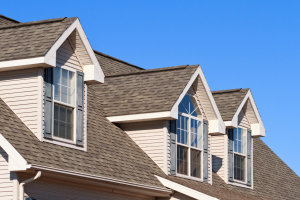
Before we delve into the different roofing types, it is important to note that there are two main types of roofs. These are pitched roofs of which we will cover the styles of also below, as well as flat roofs. When it comes to choosing, you should consider not just the overall aesthetic, but how practical this will be for blending your extension into your home. You may also wish to think about how weather resistant these roofing types will be as well as if the costs of these types of roofs will fit into your budget requirements.
Gable Roofs
The gable roof is one of the most iconic and timeless choices. It features two sloping sides that meet at a ridge, forming a triangular shape at each end. Gable roofs provide excellent ventilation, easy water runoff, and a spacious attic or upper-level living area. This design is versatile and suits various architectural styles, from colonial to modern farmhouse. Popular roofing materials for gable roofed extensions include roof tiles, felt roof shingles, and roofing sheets.
Pros:
- Classic and timeless appearance that suits various architectural styles.
- Offers excellent ventilation and natural light, particularly if paired with gable windows.
- Allows for efficient water runoff, reducing the risk of leaks and water damage.
- Provides ample attic space for storage or potential living areas.
- The triangular gable ends can be accentuated with decorative features.
Cons:
- Can be vulnerable to high winds if not properly braced and constructed.
- The steep slopes might require more maintenance, especially in regions with heavy snowfall.
- Attic space can be harder to use efficiently due to sloping walls.
Hip roofs
The hip roof is characterised by slopes on all four sides that meet at the top to form a ridge. This design offers enhanced stability and is well-suited for areas prone to high winds or extreme weather. Hip roofs can be a great choice for extensions that require a well-balanced appearance, and they provide extra attic space for storage or living areas. Many different materials are used on hipped roof extensions, but most commonly roof slates and shingles.
Pros:
- Offers superior stability, making it suitable for areas prone to high winds and severe weather.
- Provides more uniform support to the roof structure, reducing the risk of structural issues.
- All sides of the extension have a sloped roof, ensuring balanced drainage.
- Allows for additional attic space, which can be utilised for various purposes.
Cons:
- The complex design might result in higher construction costs compared to simpler roof types.
- The lower pitch of the roof might limit usable headroom in the attic.
Mansard roofs
The mansard roof, characterised by its double slopes on all four sides, is synonymous with classic European architecture. This design offers the benefit of providing more usable space within the roof, often used for additional rooms or living areas. Mansard roofs can add a touch of elegance to your extension and are particularly popular in Victorian homes. Roof tiles, slate roofing, roof shingles are common options for materials.
Pros:
- Offers additional living space within the roof, creating opportunities for extra rooms or amenities.
- Classic and elegant appearance that adds character to the extension.
- Allows for larger windows on the lower slope, enhancing natural light and views.
- Attic space is more usable due to the steeper lower slope.
Cons:
- Construction costs can be higher due to the complexity of the design.
- Maintenance of the multiple slopes and dormer windows might be more challenging.
- The mansard style is closely associated with specific architectural periods, which might limit its suitability for certain modern designs.
Single sloped roofs
If you’re seeking an economical pitched roof solution for your extension, consider the benefits of a single slope roof. Not only is this type of roof straightforward to build, but it’s also remarkably efficient in managing harsh weather conditions and temperature fluctuations. Particularly well-suited for compact extensions, single slope roofs offer a touch of unassuming elegance that appeals to those in search of simplicity. The roofing materials commonly employed for single slope extensions include fibre cement slates, plastic roof tiles, and roofing sheets.
Pros:
- Single sloped roofs are often more budget-friendly to construct compared to more complex roof designs, making them an attractive option for cost-conscious homeowners.
- The single slope allows for efficient water drainage, reducing the risk of water pooling and potential leaks. This is especially beneficial in regions with heavy rainfall.
- The sleek and simple design of a single sloped roof can give your home a contemporary and minimalist appearance, fitting well with modern architectural styles.
- With a single slope, there are fewer angles and surfaces to clean and maintain, making upkeep simpler and less time-consuming.
- Single sloped roofs are versatile in terms of use and integration with various architectural styles, making them suitable for both residential and commercial extensions.
Cons:
- The single slope design can limit the available attic space compared to roofs with more complex shapes like gable or hip roofs. This might impact storage or potential living areas.
- Depending on the angle and orientation of the slope, a single sloped roof might result in an asymmetrical look from different viewpoints.
- Potential for uneven Heating: If not properly insulated, the single sloped roof might lead to uneven heating within the space, with one side being warmer than the other.
- Single sloped roofs might not suit all architectural styles.
- Depending on the roofing material used, maintenance challenges can arise, especially if the slope is relatively steep. Ensuring proper waterproofing and preventing debris buildup is crucial.
Flat roofs
Flat roofs have gained popularity in contemporary architecture for their clean lines and modern aesthetic. While not entirely flat—they typically have a slight slope for drainage—these roofs offer a sleek and minimalist appearance. Flat roofs are suitable for extensions with limited vertical space and can provide usable rooftop space for gardens or outdoor lounges. Considerably cheaper than pitched roofs, you will also find minimal issues when it comes to planning permission. This is because in some areas there are restrictions on how tall a roof can be in proportion to your home, as well as the type of roof which may also be prohibited. You can also add contrast to you flat roof by adding a roof lantern which will not only look distinctive from the outside, but also flood the room below with natural light.
Pros:
- Modern and sleek aesthetic that suits contemporary and minimalist architecture.
- Can provide additional rooftop space for gardens, outdoor seating, or solar panels.
- Easier and more cost-effective to construct compared to more complex roof types.
- Offers flexibility in interior layout and window placement.
- Easier to navigate around planning permission.
Cons:
- Requires proper drainage to prevent water pooling and leaks.
- Insulation and waterproofing are crucial to ensure longevity and energy efficiency.
- Limited slope can lead to less efficient water runoff compared to pitched roofs.
Contact Us
If you are unsure if your desired type of roof for your extension in the areas of Keighley, Skipton, Silsden, Bingley or Ilkley would be accepted under permitted development, please contact us today on 01535 653530. Alternatively, you may wish to consult your local councils building regulations department.