
Renovating an older home can be incredibly rewarding, particularly when you want to retain its original character while creating a modern space that works for everyday life. However, properties that are 50 years old or more can come with challenges that newer homes simply do not have. Ageing roofs, outdated electrics, poor insulation, damp and previous alterations can all compete for your renovation budget.
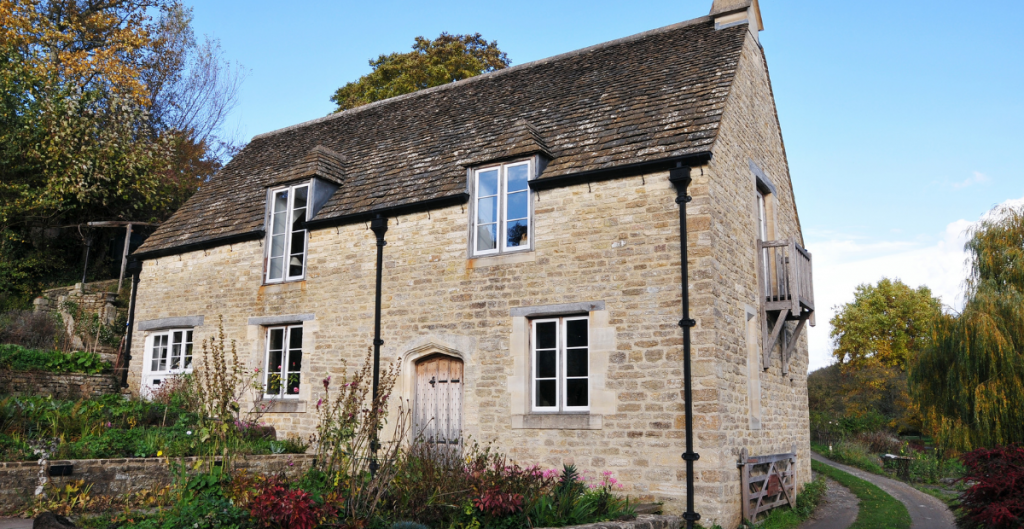
If you are also planning a modern extension, deciding where to spend becomes even more important. A useful rule is to invest first in anything that would be difficult, disruptive or expensive to change once the renovation is complete.
Get the Structure and Building Fabric Right First
Before spending heavily on kitchens, bathrooms and interior finishes, make sure the existing building is fundamentally sound. Structural repairs, roofing, drainage, damp issues and deteriorating brickwork should take priority, particularly if problems are identified during surveys or once construction begins.
The same principle applies to the building fabric. Improving insulation and replacing poor-quality windows or external doors can make an older property more comfortable and energy efficient. When adding an extension, this is also an opportunity to consider how the old and new parts of the house will perform together.
Some of this work may not provide the immediate visual impact of a new kitchen, but it protects everything you install afterwards. There is little benefit in spending thousands on beautiful finishes if you later have to disturb them to rectify an underlying problem.
Invest in the Layout, Services and Things Hidden Behind the Walls
A major renovation gives you a rare opportunity to change how your home actually works. If you are extending, think carefully about how the new space connects with existing rooms rather than simply focusing on how many additional square metres you can create.
This is also the time to invest in the services hidden behind walls and beneath floors. Older homes may benefit from electrical upgrades, new plumbing, improved heating, additional insulation and better ventilation. Think about socket positions, lighting, radiators and technology requirements before walls are plastered and floors finished.
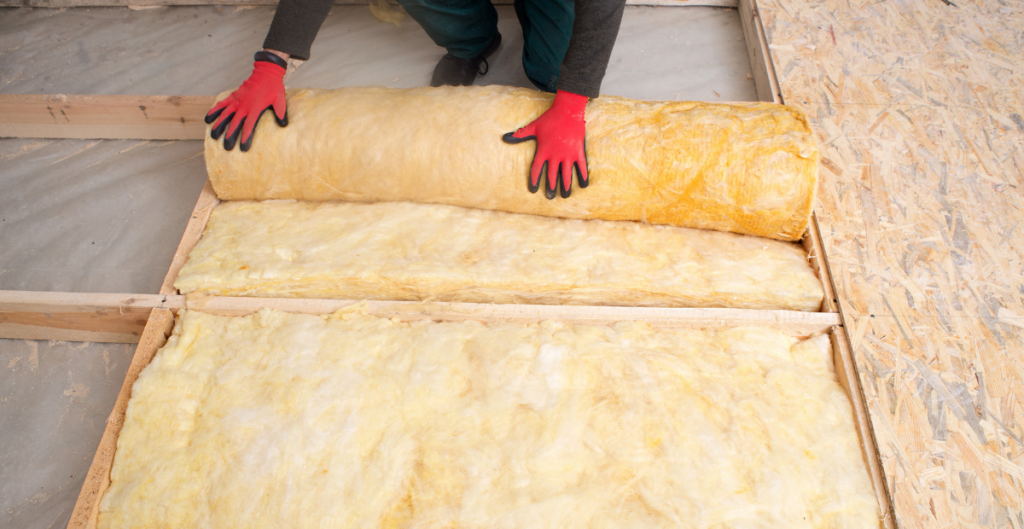
Good planning here can save considerable disruption later. Moving a socket after decorating is inconvenient; changing pipework or wiring behind a newly fitted kitchen can become significantly more expensive. Spending time and budget on design and infrastructure therefore helps future-proof the renovation.
Spend on Permanent Features; Save on Things You Can Upgrade Later
Once the fundamentals are covered, consider how permanent each remaining feature will be. Items that are expensive or disruptive to replace can justify a larger share of your budget. Flooring, kitchen cabinetry, worktops, external doors and certain built-in features are good examples.
That does not mean everything needs to be premium specification. Instead, look for durability, quality and suitability for how you use the home.
Savings can then be made on features that are relatively simple to replace. Decorative light fittings, handles, furniture, accessories and paint colours can all be upgraded gradually. If your budget is under pressure, choosing affordable options here is usually preferable to compromising on structural work, insulation or essential services.
Final Thoughts
When renovating and extending an older property, the biggest proportion of your budget should not necessarily go towards the things people notice first. Prioritising the structure, building fabric, layout, services and permanent features can create a home that performs as well as it looks.
At Cobbydale Construction, we specialise in extensions, renovations, conversions and bespoke new builds. If you are considering modernising an older home, speak to our team about creating a high-quality space designed around your property and the way you live. You can contact us today on 01535 653530 or use our contact form here.