
A utility room can be a game-changer for a home, especially when you’re considering a renovation or extension that includes a larger kitchen space. But is it really necessary? While many homeowners find the addition of a utility room to be a valuable asset, it’s important to consider both the advantages and the potential drawbacks before committing. Here’s a closer look at why you might – or might not – need a utility room in your home.
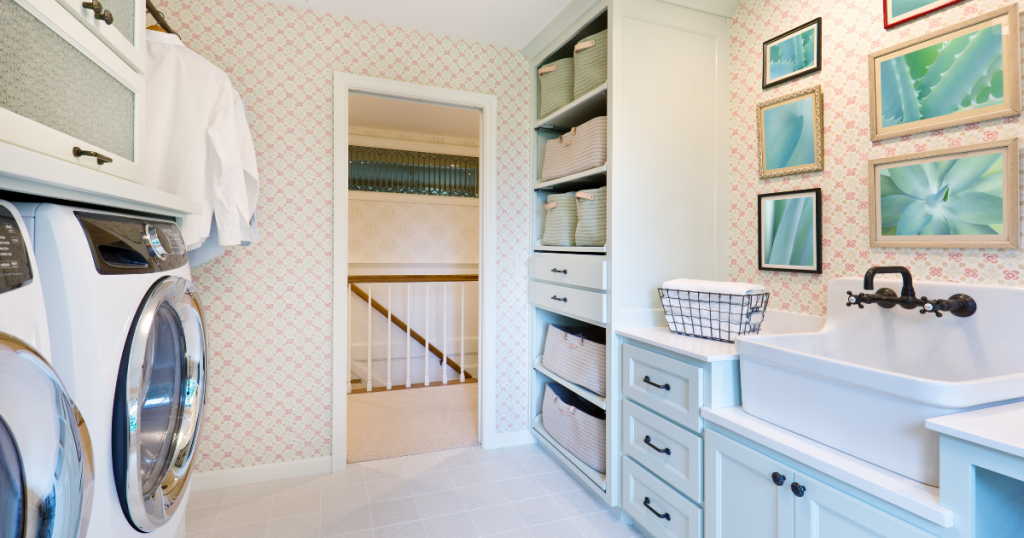
Pros of Having a Utility Room
One of the biggest advantages of a utility room is the extra space it provides. For households where the kitchen is the central hub, a utility room offers the opportunity to move laundry appliances, cleaning supplies, and other household equipment out of the kitchen. This not only frees up valuable counter space but also keeps your kitchen looking tidy and functional. A larger kitchen without the clutter of washing machines and drying racks can make meal prep and family gatherings much more enjoyable.
Another key benefit is the reduction of clutter in your living spaces. With a utility room, you can create a designated area for laundry baskets, ironing boards, and even outdoor gear. This organisation helps keep the mess out of sight and ensures that your main living areas are cleaner and more welcoming. It’s also worth mentioning the noise reduction factor. Laundry appliances such as washing machines and tumble dryers can be quite loud, especially when used frequently. By moving these appliances to a separate utility room, you can maintain a peaceful atmosphere in your kitchen and living areas, which is particularly valuable in open-plan homes.
A utility room can also add value to your property. According to various industry sources, having a dedicated utility room can increase the appeal of your home to prospective buyers, with some estimates suggesting it could add up to 5% to your property’s value. Buyers are increasingly seeking homes with functional spaces that can handle day-to-day chores without encroaching on the living areas, and a utility room can be seen as a luxury feature that enhances the overall appeal of a home.
Cons to Consider Before Building One
While there are many benefits to having a utility room, there are also some downsides to consider. First, space constraints can be a significant issue, particularly in smaller homes. Utility rooms need to be large enough to accommodate appliances like washing machines, tumble dryers, and potentially additional storage. If your home already has limited space, adding a utility room may result in the sacrifice of other areas.
The costs involved in adding a utility room should also be taken into account. Creating a dedicated utility space often requires plumbing, electrical work, and potentially structural changes, which can be expensive. Depending on the size of the space and the complexity of the renovation, costs can add up quickly. It’s essential to budget for both the construction and the ongoing maintenance of the room, which may include additional cleaning and upkeep of appliances and systems.
Design Tips for Maximising Utility Room Functionality
If you decide to move forward with a utility room, it’s crucial to design it thoughtfully. Efficient use of space is key, especially if you’re working within the confines of an extension or smaller home. Consider layouts that make the best use of vertical space, such as stacking appliances or incorporating built-in storage units for cleaning products, laundry baskets, and household tools.
Another way to maximise functionality is by integrating the utility room with other spaces, like a mudroom or a small pantry. This can help save space while also increasing the room’s versatility. For instance, a mudroom with hooks and a bench can function as both an entryway and a space for managing household chores. In terms of aesthetics, think about how the utility room can complement the rest of your home. You don’t have to sacrifice style for functionality – using colours and finishes that tie in with your kitchen or living areas can make the utility room feel like a seamless part of your home.
Final Thoughts
Ultimately, whether or not you need a utility room depends on your specific needs, lifestyle, and the available space in your home. For some homeowners, the convenience of having a dedicated space for laundry and cleaning tasks is invaluable. For others, it may not be necessary, especially if there are alternatives that better suit their home. By carefully weighing the pros and cons, you can make an informed decision about whether a utility room is a worthy investment for your home.
If you’re based in or around Skipton, Ilkley, Silsden, or Keighley, get in touch today to discuss your project – we’d love to hear your ideas and help you with new ones too! Cobbydale Construction’s expertise can help bring your vision to life. Contact us today on 01535 653530 or use our contact form here.