
Renovating an older property is an exciting opportunity to breathe new life into a home, but it also presents unique challenges. Whether you’re adding a modern extension or completely reworking your existing space, it’s important to consider how your home will adapt to future needs. Future-proofing is not just about the latest trends, but about making smart choices that will benefit your family for years to come. From energy efficiency to smart home technology, here’s how you can future-proof your home during a renovation.

Design with Adaptability in Mind
When renovating an older property, it’s crucial to design with the future in mind. One of the most effective ways to do this is by incorporating adaptable layouts that can evolve as your needs change. Open-plan spaces are becoming increasingly popular, as they offer versatility and allow for reconfiguration should your family requirements shift. Rooms can easily transform from home offices to playrooms or guest bedrooms, depending on what you need. Additionally, when planning your renovation, think about leaving room for future extensions or conversions. For example, leaving some walls non-load-bearing could allow for an easier and less costly expansion down the line, ensuring your home can grow with you.
Prioritise Energy Efficiency
As energy costs continue to rise, making your home energy-efficient is not only good for the planet, but also for your wallet. High-quality insulation is one of the most important elements to consider when future-proofing an older property. Insulating the roof, walls, and floors can dramatically reduce your energy consumption, keeping your home warm in the winter and cool in the summer. Modern double-glazed or triple-glazed windows are also a must. These will help to keep your home well-insulated, reduce drafts, and improve soundproofing. Beyond insulation, consider installing energy-efficient heating systems, such as underfloor heating or heat pumps. These technologies offer long-term savings and are more environmentally friendly than traditional radiators.
Incorporate Smart Home Technology
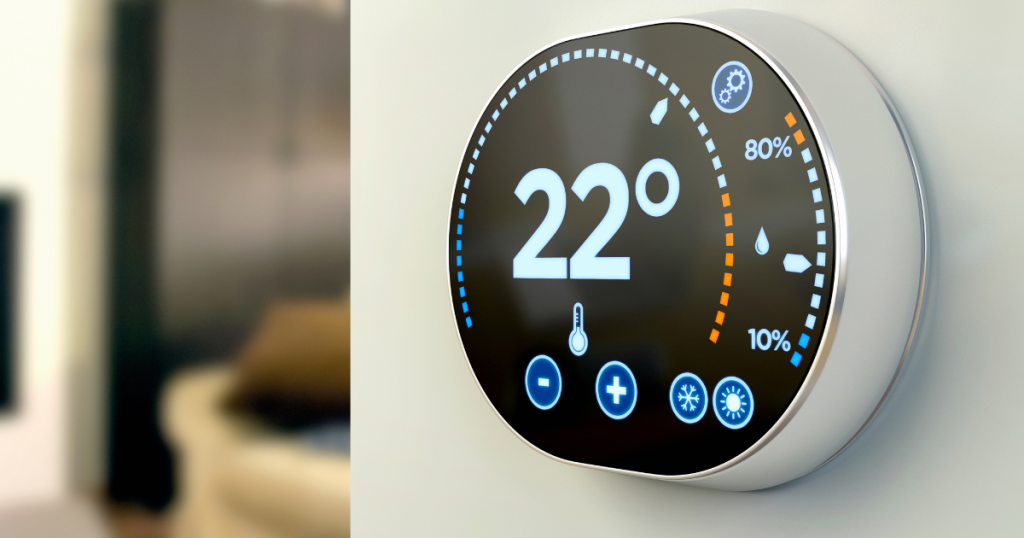
As we move further into the digital age, incorporating smart home technology into your renovation plans can be a great way to future-proof your home. Smart home systems can manage everything from heating and lighting to security and entertainment, all from the convenience of your smartphone or tablet. Smart thermostats, for example, can help you monitor and control your home’s temperature efficiently, saving energy while ensuring comfort.
Similarly, integrating smart lighting systems can enable you to control your lights remotely and set them to adjust automatically based on your routine. Planning for these technologies during your renovation ensures that your home will be ready for the advancements of tomorrow.
Ensure Accessibility for All Ages
Future-proofing your home means ensuring it can accommodate people of all ages and abilities. This is especially important if you plan to live in your home long term or want to make it a comfortable space for aging family members. When renovating, think about designing wider doorways and hallways to allow easy access for people using mobility aids, such as wheelchairs or walkers. Low thresholds on doors will also make entering and exiting your home more convenient for those with limited mobility.
Use Sustainable and Durable Materials
When selecting materials for your renovation, prioritise sustainability and durability. Using materials that are both long-lasting and environmentally friendly will reduce the need for frequent replacements and help to lower your home’s environmental impact. Consider choosing reclaimed wood or sustainable timber for flooring, cladding, or feature walls. These materials not only give your home character, but they also have a lower carbon footprint compared to new products. Investing in durable, high-quality finishes for key areas, such as flooring and windows, will ensure your home stands the test of time.
Plan for Future Technological Upgrades
As technology continues to evolve, planning for future upgrades is a crucial aspect of future-proofing your home. Although your needs today may not include electric vehicle (EV) charging points or fibre-optic internet connections, they may become essential in the future. During your renovation, make sure you leave space for future tech installations, such as EV chargers, by including the necessary wiring and connections. You should also consider adding conduits for fibre-optic cables, which will ensure your home is ready for the ultra-fast broadband speeds of tomorrow. By thinking ahead, you can ensure that your home remains well-equipped to meet the demands of future technology.
Final Thoughts
Future-proofing your home during a renovation isn’t just about keeping up with trends; it’s about making thoughtful decisions that will keep your property functional, comfortable, and energy-efficient for years to come. By designing adaptable spaces, improving energy efficiency, incorporating smart technology, ensuring accessibility, choosing sustainable materials, and planning for future technological upgrades, you can create a home that’s ready for whatever the future brings. At Cobbydale Construction, we specialise in creating homes that meet today’s needs while preparing for tomorrow. If you’re planning a renovation, we’re here to help you build a home that will stand the test of time.
If you’re based in or around Skipton, Ilkley, Silsden, or Keighley, get in touch today to discuss your project – we’d love to hear your ideas and help you with new ones too! Cobbydale Construction’s expertise can help bring your vision to life. Contact us today on 01535 653530 or use our contact form here.