
Older properties hold a unique charm with their history, architectural character, and timeless appeal. However, as lifestyles and needs evolve, many homeowners find themselves wanting more space or modern amenities without sacrificing the distinctive features of their period home. Extending an older property offers the perfect solution, but it comes with its own set of challenges. The key lies in blending the old with the new in a way that enhances the original structure while adding value and functionality to the home.
Understanding the Architectural Heritage of Your Property
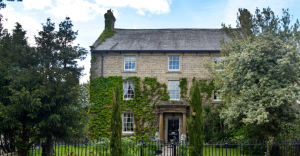
Before embarking on an extension project, it is crucial to understand the architectural heritage of your property. Each period home has its own unique features, whether it’s the intricate detailing of a Victorian terrace, the sturdy elegance of a Georgian manor, or the rustic charm of a 1930s bungalow. By identifying the key characteristics that define your property’s style, you can ensure that the new extension respects and complements these elements. This might involve preserving original brickwork, matching rooflines, or replicating traditional window styles. Understanding your property’s heritage not only helps in maintaining its character but also in navigating potential planning permissions and conservation regulations.
Modern Design Trends for Period Property Extensions
Modern extensions for older properties have evolved beyond simple add-ons. Today’s design trends focus on creating spaces that are both functional and visually harmonious with the existing structure. Popular trends include open-plan living areas that enhance natural light and create a sense of spaciousness, floor-to-ceiling glass panels that provide a contemporary contrast to traditional brickwork, and green roofs or sustainable materials that reflect modern environmental considerations. These designs prioritise both the aesthetic connection between the old and the new, and the practical aspects of modern living. When executed thoughtfully, these trends can transform an older property into a home that meets contemporary needs while retaining its historical charm.
Balancing Aesthetics and Practicality
When extending an older property, achieving a balance between aesthetics and practicality is crucial. A successful extension should enhance the beauty of the original structure while providing the additional space and functionality that modern life demands. This involves careful planning and design, ensuring that the extension doesn’t overwhelm the original building or appear out of place. Consideration should be given to the scale, proportion, and materials used in the extension, as well as how the interior layout will flow from the old to the new. Thoughtful design can ensure that the extension feels like a natural continuation of the existing property, both visually and functionally.
Materials and Techniques for a Cohesive Look
The choice of materials and construction techniques plays a pivotal role in creating a cohesive look between the old and new parts of your home. Traditional materials like brick, stone, or timber can be matched or contrasted with modern materials such as glass, steel, or concrete to create a complementary or intentionally contrasting effect. The key is to choose materials that either blend seamlessly with the existing structure or provide a deliberate and tasteful contrast that highlights the differences between the periods. Techniques such as using reclaimed materials, replicating original craftsmanship, or incorporating subtle modern touches can all contribute to a successful extension that respects the past while embracing the future.
Navigating Planning Permission and Regulations
Extending a period property often involves navigating a complex landscape of planning permissions and building regulations, particularly if the property is listed or located within a conservation area. It’s important to be aware of the local council’s guidelines and to consult with professionals who have experience in dealing with older properties. This can include architects, builders such as us here at Cobbydale Construction, and conservation officers who understand the specific requirements and challenges involved in such projects. Adhering to these regulations not only ensures the success of your extension but also helps preserve the historical integrity of your home and its surroundings.
Final Thoughts
Extending an older property is an exciting opportunity to blend history with modern living, but it requires careful planning and expertise. At Cobbydale Construction, we specialise in creating extensions that respect the character of period properties while adding valuable new space. Whether you’re looking for design inspiration or ready to start your project, our team is here to help. Contact Cobbydale Construction today on 01535 653530 or use our contact form here to discuss how we can bring your vision to life with a perfect blend of old and new.