
The concept of a “smart home” is no longer a futuristic dream but a rapidly growing trend in modern construction. As more homeowners recognise the benefits of integrating technology into their living spaces, smart homes are becoming increasingly prevalent. For anyone planning an extension, renovation, or a new build, incorporating smart technology from the outset is essential. This blog will guide you through the critical considerations when designing a home that is both technologically advanced and tailored to your needs.
Understanding Smart Home Technology
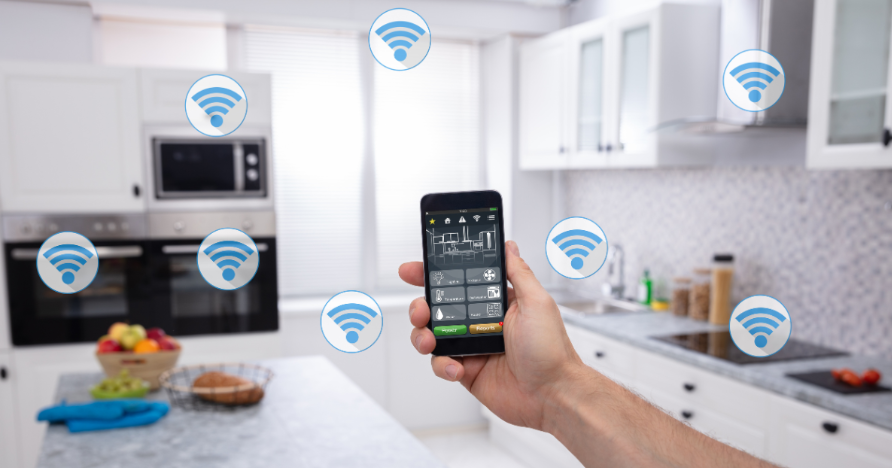
At its core, a smart home consists of interconnected devices and systems that can be controlled remotely or automated for convenience, security, and efficiency. When planning your build, it’s important to understand the key components that make up a smart home. These include smart lighting, which can be adjusted remotely or set to respond to your daily routine; smart security systems, offering enhanced protection with cameras, motion sensors, and automated locks; and climate control systems that allow you to manage your home’s temperature efficiently. Other popular smart home features include smart kitchen appliances, voice-activated assistants, and entertainment systems that integrate seamlessly with the rest of your home’s technology. Each of these components plays a crucial role in enhancing your living experience, and they are increasingly becoming standard in modern builds.
How to Plan Your Smart Home Integration
Incorporating smart technology into your home isn’t just about selecting the latest gadgets; it requires careful planning during the design phase. One of the most critical aspects is ensuring that your home is pre-wired to support the devices you want to install. This includes planning for adequate power outlets, network cabling, and ensuring that your Wi-Fi network will be robust enough to handle the increased demand from multiple smart devices. It’s also essential to think about the physical placement of devices. For example, security cameras need to be positioned to cover key areas without obstructing views, and smart speakers should be placed in locations that maximise their ability to hear and respond to commands. By considering these factors early in the design process, you can avoid costly retrofitting and ensure that your smart home functions smoothly from day one.
Energy Efficiency and Sustainability
One of the most compelling reasons to invest in smart home technology is its potential to significantly enhance your home’s energy efficiency. Smart thermostats, for instance, can learn your schedule and adjust heating and cooling systems accordingly, ensuring that energy is not wasted when no one is home. Similarly, automated lighting systems can turn off lights when a room is unoccupied, or adjust brightness based on the time of day. Smart metres provide real-time data on energy consumption, helping you identify areas where you can reduce usage. Additionally, integrating solar panels with smart home technology can optimise energy production and consumption, further reducing your home’s carbon footprint. For those looking to create a more sustainable home, smart technology offers a pathway to achieving greater efficiency and lower energy bills.
Convenience and Comfort with Smart Home Automation
The convenience offered by smart home technology is unparalleled. Imagine a home where your morning routine is automated. Lights gradually brighten, the coffee machine starts brewing, and your favourite news station plays on the speakers as you enter the kitchen. This level of automation is not just a luxury; it’s an opportunity to create a home environment that adapts to your lifestyle. Smart home systems allow you to control various aspects of your home with a single device, whether it’s your smartphone, a tablet, or voice commands. Beyond convenience, this technology enhances comfort by personalising your environment. For instance, you can set up scenes that adjust lighting, temperature, and entertainment settings based on different times of the day or specific activities, such as watching a movie or hosting a dinner party. This level of control ensures that your home is always tailored to your preferences.
Budgeting for Smart Home Features
While the benefits of smart home technology are clear, it’s important to approach the budgeting process with a strategic mindset. Smart home features can range significantly in cost, so it’s crucial to prioritise based on your needs and budget. Start by identifying the features that will have the most significant impact on your daily life. For example, if security is a top concern, investing in a comprehensive smart security system might be your priority. Alternatively, if energy efficiency is your goal, smart thermostats and lighting systems should be at the top of your list. It’s also worth considering the long-term savings that certain smart home features can offer, such as reduced energy bills. Working with a knowledgeable builder like Cobbydale Construction can help you make informed decisions that balance cost with functionality, ensuring that your investment in smart technology delivers value over time.
Ensuring Scalability and Upgradability
Building a smart home isn’t just about meeting today’s technological standards; it’s about anticipating future advancements. As technology evolves, your smart home should be able to adapt to new innovations without requiring extensive renovations. This is why scalability and upgradability are crucial considerations. When designing your home, ensure that the infrastructure, such as wiring and network systems, can support future devices and systems. It’s also wise to choose products from manufacturers that offer regular updates and are known for maintaining compatibility with new technologies. By thinking ahead, you can create a home that remains cutting-edge and functional for years to come, avoiding the need for disruptive and expensive upgrades down the line.
Final Thoughts
Incorporating smart technology into your build offers a wealth of benefits, from enhanced security and convenience to improved energy efficiency and future-proofing. Whether you’re planning an extension, a renovation, or a bespoke new build, integrating smart home features from the beginning ensures that your home is equipped to meet the demands of modern living. By working with an experienced construction partner like Cobbydale Construction, you can create a home that not only meets your current needs but is also ready to embrace the future of home automation. Contact Cobbydale Construction today on 01535 653530 or use our contact form here to discuss how we can help design your smart home project.